


Needle Felting vs Wet Felting: Exploring the Differences

Introduction
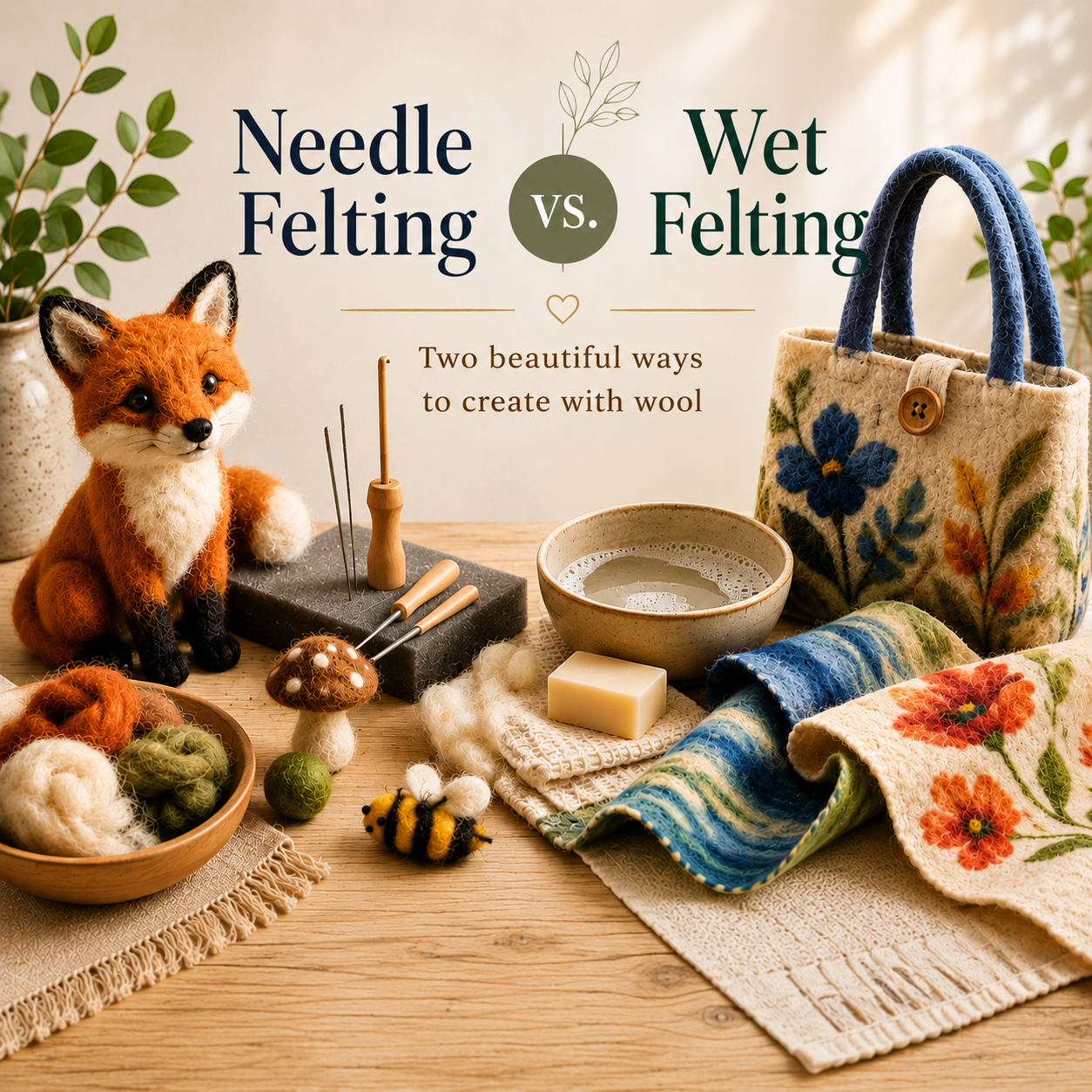
Felt products are loved worldwide for their beauty, durability, and eco-friendly nature. However, not all felt is created the same. Two primary techniques that is needle felting and wet felting defines how these products are made, their texture, and their final use.
Understanding the difference between these methods can help businesses choose the right products for their customers and strengthen their product offerings.
What Is Needle Felting?
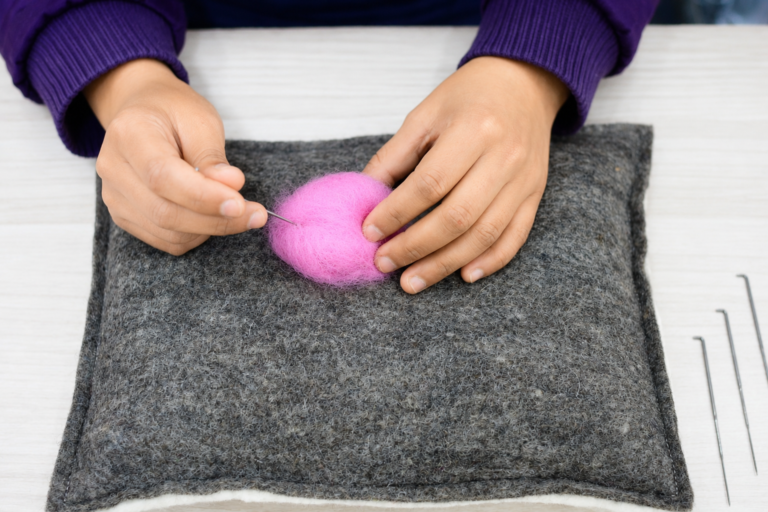
Needle felting is a dry process that uses special barbed needles to interlock wool fibers.
How It Works
Artisans repeatedly poke wool fibers with a needle, causing them to tangle and compact into the desired shape.
Key Features
- Highly detailed and precise
- Ideal for small designs and decorative items
- Allows sculpting and 3D shaping
- Time-intensive and handcrafted
Common Products
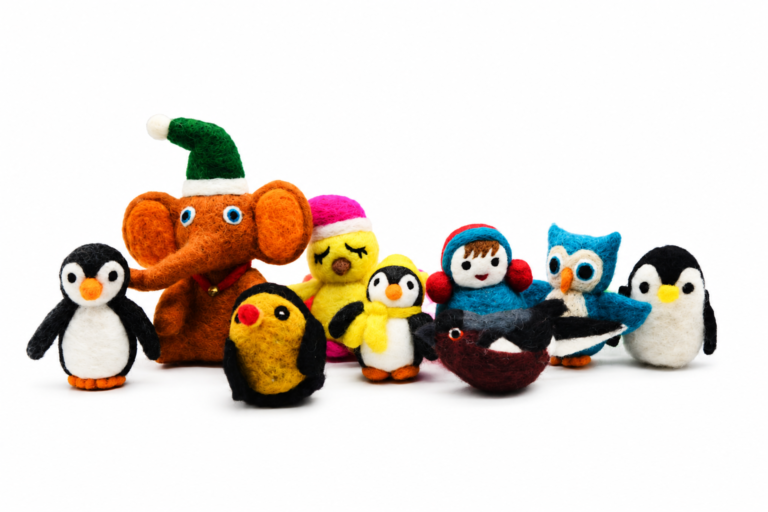
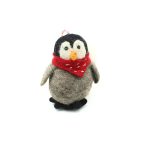
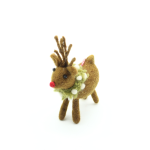
- Decorative ornaments
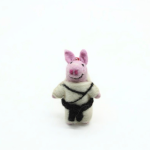
- Figurines and toys
- Detailed embellishments on felt products
What Is Wet Felting?
Wet felting is a traditional method that uses water, soap, and pressure to bind wool fibers together.
How It Works
Layers of wool are soaked in warm soapy water and then rolled, pressed, and rubbed until the fibers fuse into a strong fabric.
Key Features
- Strong and durable structure
- Suitable for larger products
- Smooth and seamless finish
- More efficient for bulk production
Common Products
- Felt cat caves and pet houses
- Rugs and carpets
- Bags and storage baskets
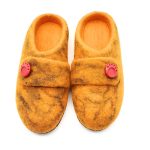
- Slippers and home décor items
Key Differences Between Needle Felting and Wet Felting
1. Technique
- Needle Felting: Dry method using needles
- Wet Felting: Uses water, soap, and pressure
2. Level of Detail
- Needle Felting: High precision and intricate designs
- Wet Felting: Better for simple, large-scale forms
3. Durability
- Needle Felting: Less dense, more decorative
- Wet Felting: Strong, dense, and long-lasting
4. Production Scale
- Needle Felting: Time-consuming, ideal for small batches
- Wet Felting: Suitable for bulk and wholesale production
5. Texture & Finish
- Needle Felting: Soft, textured, sculptural
- Wet Felting: Smooth, uniform, and firm
Which Method Is Better for Your Business?
The choice depends on your product type and market needs:
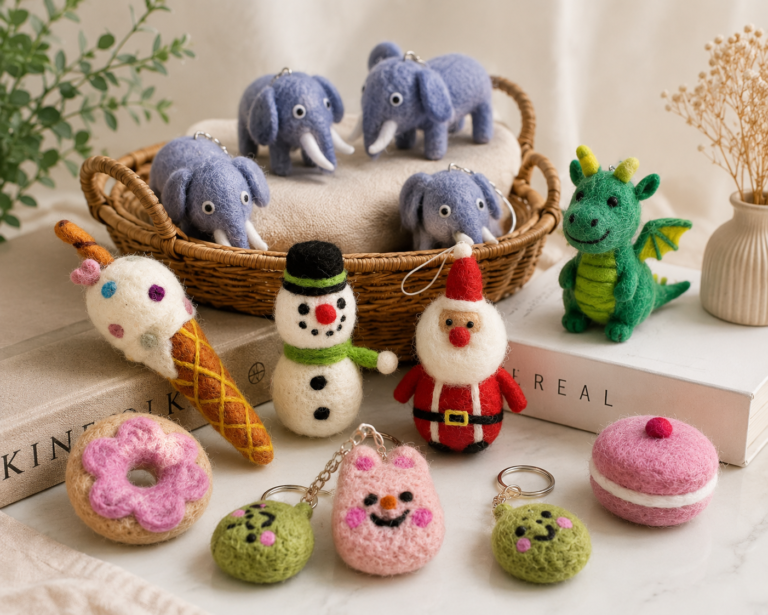
Choose Needle Felting If You Need:
- Detailed decorative items
- Custom artistic designs
- Unique, handcrafted aesthetics
Choose Wet Felting If You Need:
- Durable everyday products
- Pet accessories like cat caves and dog houses
- Large-scale production for retail
Combining Both Techniques
Many high-quality felt products use a combination of both methods.
For example:
A felt cat cave may be created using wet felting for structure, while needle felting is used to add decorative patterns or branding details.
This hybrid approach offers both durability and design flexibility.
Why This Matters for B2B Buyers
Understanding felting techniques helps businesses:
- Choose the right product for their market
- Communicate product value to customers
- Differentiate between handmade and mass-produced goods
- Ensure quality consistency in bulk orders
Our Expertise in Felt Manufacturing
At Kriti Craft PVT.LTD , we specialize in both needle felting and wet felting techniques to deliver high-quality products for global clients.
We offer:
✔ Custom designs and private labeling
✔ Bulk production with consistent quality
✔ Skilled artisans with traditional expertise
✔ Wide product range from pet houses to seasonal décor
Conclusion
Both needle felting and wet felting play essential roles in the world of felt craftsmanship. While one offers precision and artistic detail, the other provides strength and scalability.
For businesses, understanding these differences is key to making informed sourcing decisions and delivering better products to customers.
Let’s Create the Right Felt Products for You
Looking to source high quality felt products tailored to your needs?
📩 Contact us today to discuss customization, bulk orders, and private label opportunities.