


The Environmental Impact of Handmade Felt vs. Synthetic Materials

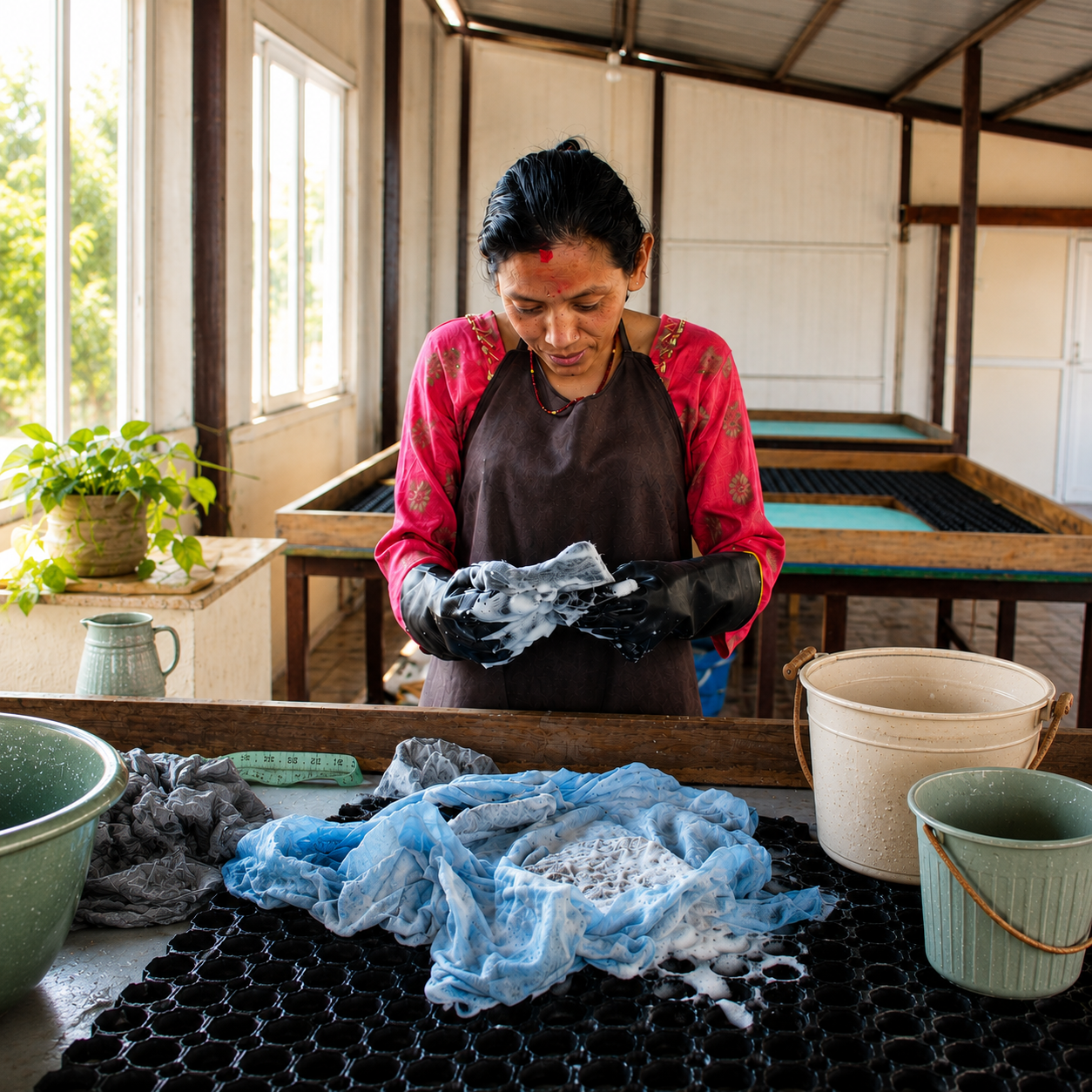
As consumers become more environmentally conscious, the demand for sustainable products continues to grow. From home décor and children’s toys to fashion accessories and pet products, buyers are increasingly looking for materials that are kind to both people and the planet. One material that stands out is handmade wool felt.
But how does handmade felt compare to synthetic alternatives? Let’s explore the environmental impact of each and why choosing handmade felt products is a step toward a greener future.
What Is Handmade Wool Felt?
Handmade wool felt is created by matting and compressing natural wool fibers using moisture, heat, and pressure. Skilled artisans use traditional felting techniques to transform raw wool into durable and versatile products without relying on harsh industrial processes.
Because wool is a renewable and biodegradable resource, felt made from natural wool offers significant environmental advantages over petroleum-based synthetic materials.
The Hidden Cost of Synthetic Materials
Many synthetic fabrics and felt-like materials are manufactured from plastics such as polyester or acrylic, which are derived from fossil fuels. Their production often involves energy-intensive processes and chemical treatments that contribute to greenhouse gas emissions.
Some environmental concerns associated with synthetic materials include:
- Dependence on non-renewable petroleum resources.
- High energy consumption during manufacturing.
- Release of microplastics into waterways during use and washing.
- Long decomposition periods, with waste remaining in landfills for decades or even centuries.
As global plastic pollution increases, reducing reliance on synthetic materials has become an important sustainability goal.
Why Handmade Felt Is a More Sustainable Choice
1. Made from Renewable Natural Fibers
Wool is a renewable resource that can be harvested responsibly from sheep year after year without harming the animals. This makes it a more sustainable alternative to petroleum-based materials.
2. Biodegradable at the End of Its Life
Unlike synthetic fabrics, untreated natural wool felt can decompose naturally under suitable conditions, returning nutrients to the soil instead of contributing to long-term waste.
3. Long-Lasting and Durable
High-quality handmade felt products are designed to last. Their durability means fewer replacements, reducing overall consumption and waste over time.
4. Supports Traditional Craftsmanship
Handmade felt production often relies on skilled artisans rather than highly automated manufacturing. By purchasing handmade products, customers help preserve traditional techniques while supporting meaningful employment and local communities.
5. Lower Waste Through Thoughtful Production
Artisan workshops frequently produce goods in smaller batches and can customize products based on demand, helping reduce unnecessary overproduction and excess inventory.
Eco-Friendly Applications of Handmade Felt
Natural wool felt is used in a wide variety of sustainable products, including:
- Decorative home accessories
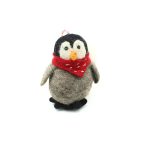
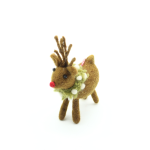
- Christmas ornaments
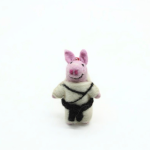
- Children’s toys
- Pet toys and accessories
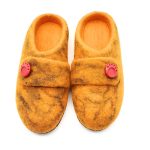
- Fashion items and slippers
- Storage baskets and organizers
- Custom promotional gifts
These products combine functionality with environmental responsibility while showcasing beautiful handcrafted artistry.
How Consumers Can Make a Difference
Every purchasing decision has an impact. By choosing handmade wool felt products over synthetic alternatives, consumers can:
- Encourage the use of renewable materials.
- Reduce dependence on plastic-based products.
- Support artisan communities and ethical craftsmanship.
- Invest in durable items that minimize waste.
- Promote a more sustainable and circular economy.
Small choices made by individuals and businesses collectively contribute to meaningful environmental change.
Why Choose Handmade Felt Products from Nepal?
Nepal has a rich tradition of felt craftsmanship, where talented artisans transform natural wool into beautiful, high-quality products using time-honored techniques. These handcrafted creations reflect cultural heritage, attention to detail, and a commitment to sustainability.
At Kriti Craft Nepal, we are proud to produce eco-friendly handmade felt products that combine traditional artistry with modern design. Whether you’re a retailer, wholesaler, or conscious consumer, our collection offers sustainable solutions without compromising on quality or creativity.
Conclusion
When comparing handmade wool felt with synthetic materials, the environmental benefits of natural felt are clear. Renewable resources, biodegradability, durability, and artisan craftsmanship make handmade felt an excellent choice for those seeking products with a lower environmental footprint.
By supporting handmade felt products, you’re not only investing in quality craftsmanship but also contributing to a more sustainable future one thoughtful purchase at a time.
Need High-Quality Felt Products?
Looking to source durable, easy-care felt products for your brand?
📩 Contact us today for bulk orders, customization, and private label solutions.